Our programmes

Working on what makes a real difference to people’s lives.

Since 1992, AMICA has been developing projects in Cambodia around very practical needs: access to water, healthcare, learning, work and income.

  • Some of these projects have now ended.
  • Others have become self-reliant.

And three programmes are now the focus of our work: community tourism, access to water and education.

Our programmes today

01Community tourism

Turning travel into a source of income for the village.

Since 2005, Cheung Kok has welcomed travellers who come to discover everyday life in a Khmer village.

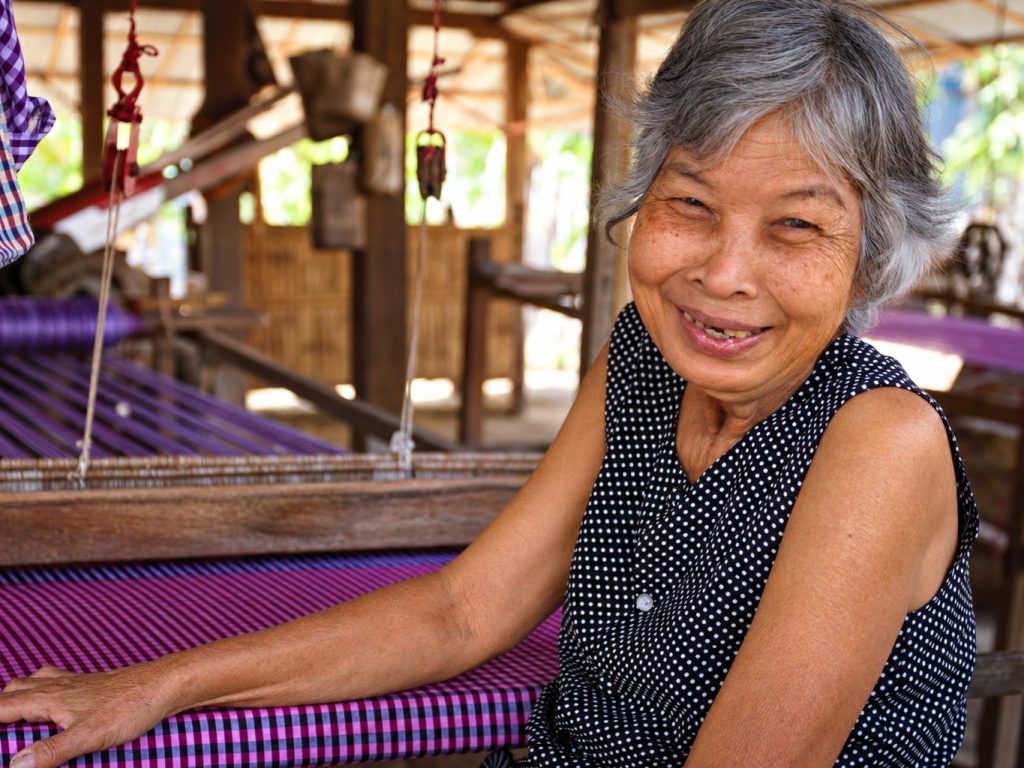
Homestays, meeting craftspeople, weaving, palm sugar, meals and exploring the village: tourism creates work directly for residents.

In 2025, 4,362 visitors generated $10,632 in tourism income.

100% of this income goes to local people: 80% paid directly, including $5,700 to artisans and $2,816 to the hosting team, and 20% to the village cooperation fund, for projects of common interest.

4,362visitors in 2025
100%of income goes to local people

Craftspeople Hosting team Cooperation fund $10,632 in total

Today, our aim is to go further: encourage travellers to stay longer, develop new experiences and, above all, keep more value in the village.

Une tisserande sourit devant son métier à tisser, à Cheung Kok
02Access to water

Water pays for water.

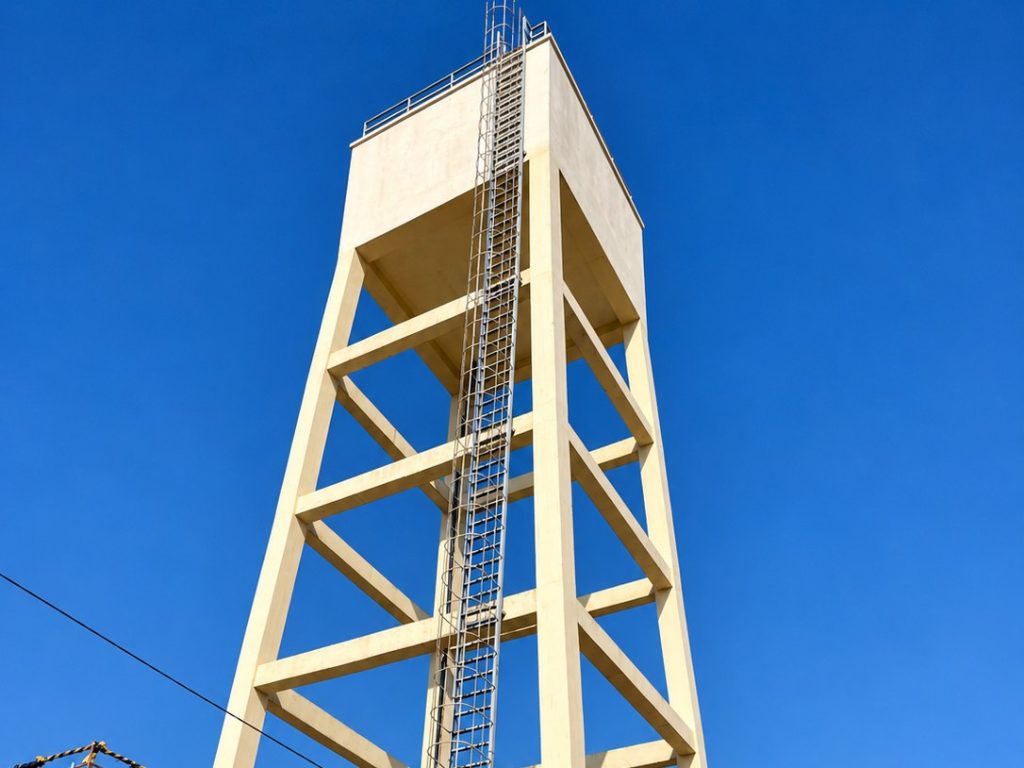
AMICA has supported the creation of two water supply networks: first in Cheung Kok, then in Trien, Penh and Kriel with the H2Otus project.

Together, they now serve 326 families.

Families pay for the water they use. These fees pay the local teams, maintain the installations and build up the reserves needed for repairs.

In 2025, both networks ran without any financial contribution from AMICA.

326 familiesserved by two networks

The project carries on. The grant can stop.

Le château d’eau du réseau du village, sous un ciel bleu
03Education

Learning opens up possibilities.

In Cheung Kok and Trien, the Salas give children and young people free language classes.

In 2025, 63 to 71 pupils attended the Cheung Kok Sala.

In Trien, 40 pupils were learning English and up to 9 were learning French.

63–71pupils at the Cheung Kok Sala in 2025
40English pupils in Trien

In Cheung Kok, the school is part of the same ecosystem as community tourism and the cooperation fund: creating more resources locally also helps keep funding shared projects.

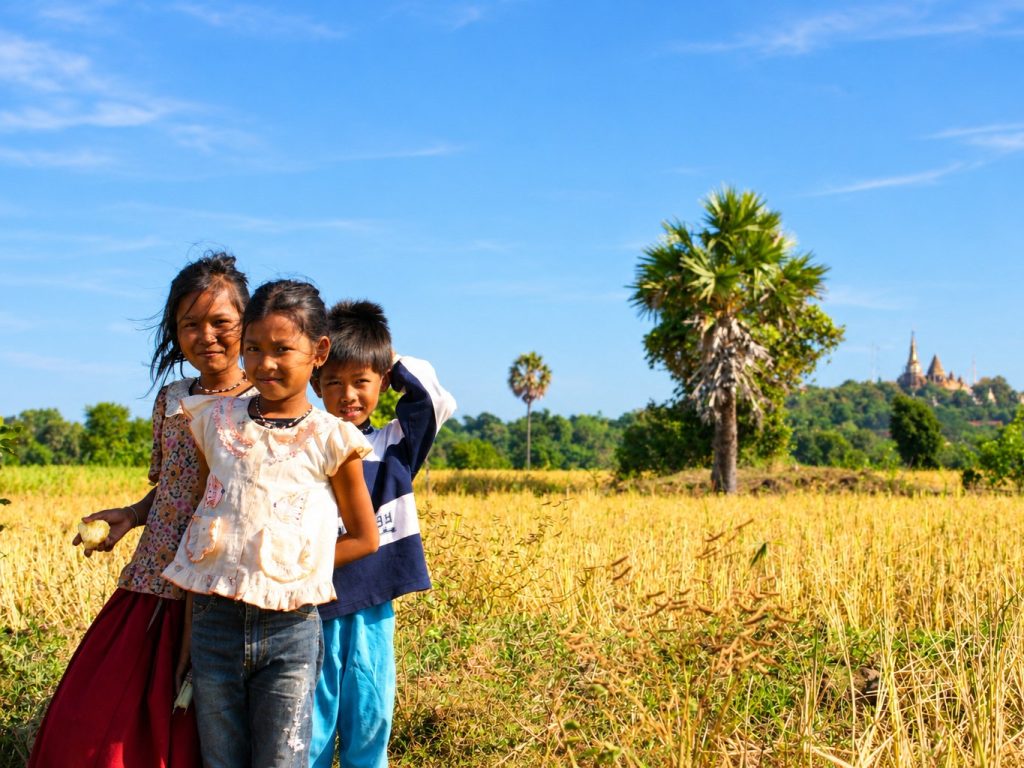
Trois enfants dans une rizière dorée, un temple sur la colline au loin

More than 30 years of projects

Projects change. The way we work stays the same.

Since it was founded, AMICA has worked in several fields, depending on the needs found on the ground.

We do not try to keep all our projects going artificially.

Some end once they have done their job. Others become self-reliant. Others still pave the way for the next projects.

Completed Active Developing

Health

Restore. Equip. Make healthcare easier to reach.

Health was long a major focus of AMICA’s work.

In Ampel, AMICA helps bring back into service a health centre that could no longer properly receive patients.

As part of the Soleil Levant programme, the building is renovated, access to water improved and a solar power supply installed.

The renovated health centre opens in May 2006.

Over the years, AMICA’s health work goes beyond buildings: support for the health centre, equipment, help with access to care and an ambulance service are also part of the programme.

The aim is simple: to make local healthcare easier to reach for families in the surrounding villages.

Programme now completed.

Water & infrastructure

Build, then make it last.

Access to water gradually became one of AMICA’s flagship projects.

In Cheung Kok, then in Trien, Penh and Kriel, the association supports building infrastructure that brings water directly to families.

  • Boreholes.
  • Water towers.
  • Distribution networks.
  • Meters.
  • Local organisation.

But the infrastructure is only part of the project.

The real challenge is keeping it maintained over time.

That is how the principle was born:

Water pays for water.

Families’ fees now pay for running both networks.

Programme still active, now self-financing.

Education

Salas for learning and opening up to the world.

Since the first Salas, AMICA has supported learning in the villages where it works.

  • Khmer classes.
  • English.
  • French.

Beyond the classes themselves, the aim is to give young people skills that can widen their options for study, work and contact with the wider world.

Formats and class sizes have changed over the years.

Education, though, has remained one of AMICA’s common threads.

Programme still active in Cheung Kok and Trien.

Economic development & crafts

Creating income where families live.

In Cheung Kok, AMICA has since 2005 supported activities that let residents earn income directly from their skills and from hosting travellers.

  • Weaving.
  • Crafts.
  • Palm sugar.
  • Hosting visitors.
  • Homestays.
  • Community tourism.

Some experiments worked. Others were dropped or changed.

But the idea remains:

Making the most of what already exists in the village to create new sources of income.

Today, this experience feeds into the next stage of community tourism in Cheung Kok.

Programme still active and developing.
And also: experimenting.

In more than thirty years, AMICA has tried different answers to the needs it found on the ground.

Some can still be seen today.
Others have disappeared.

Discontinued

The silk project, for example, was eventually dropped. A bottled water business was also developed before being stopped.

We could choose to tell only the success stories.

But our story is also made of what we have tried.

A community project is not a straight line.

You have to test, measure, understand what works, and sometimes know when to stop what no longer does.

Different programmes. The same logic.

  • A health centre.
  • A “Sala” school.
  • A water tower.
  • A loom.
  • A homestay night.

At first sight, these projects have little in common.

Yet they all tell of the same ambition:

to meet a practical need, build a response with local people and look for the conditions that will allow it to last.

This approach is what links more than thirty years of AMICA projects.

And it still guides the ones we are building today.